
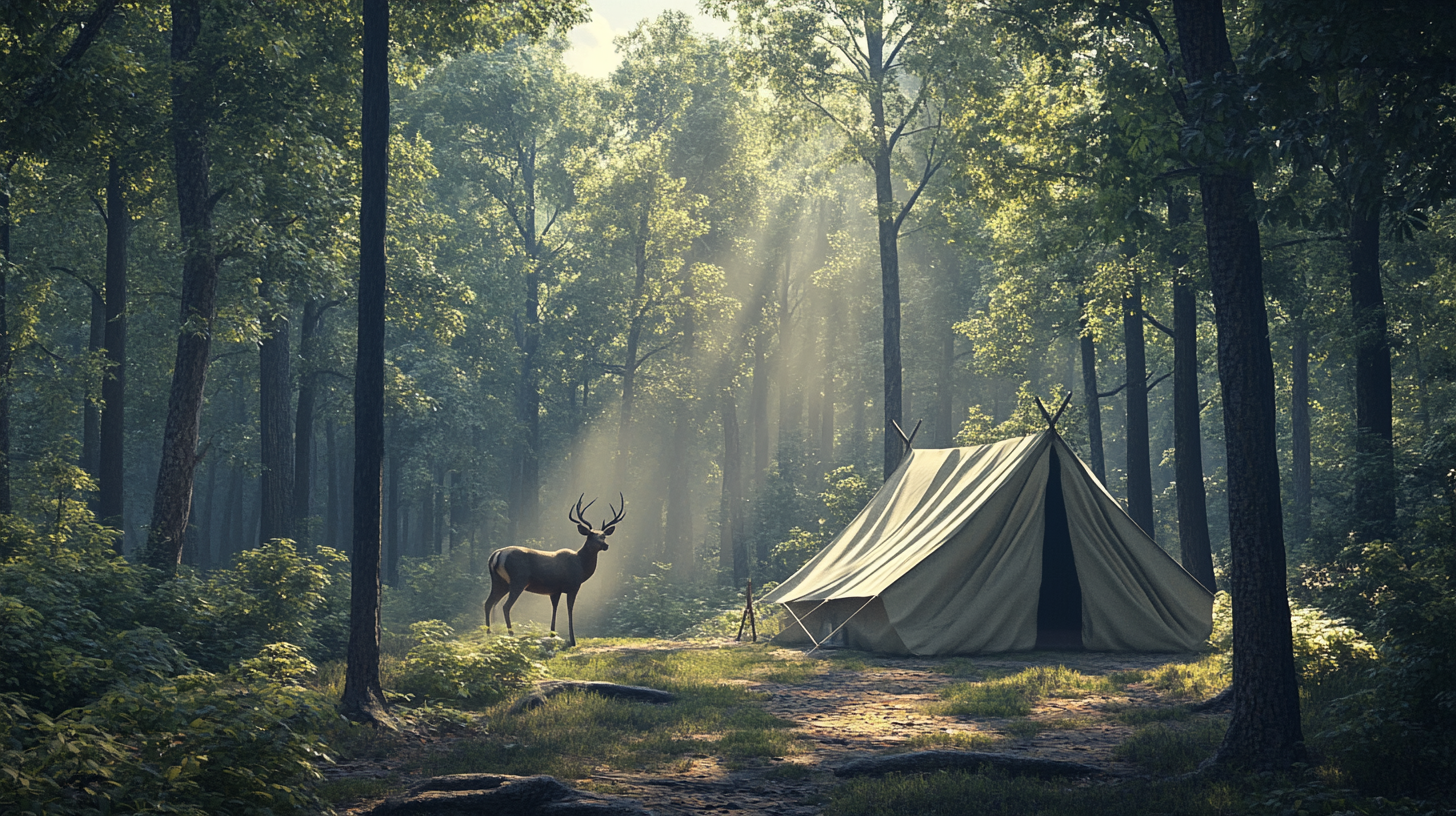


Looking for easy eco-friendly camping tips? Here’s how to leave no trace, from packing out your trash to using reusable gear and respecting wildlife. These simple steps will help you camp responsibly and keep the outdoors beautiful for everyone.
Let’s talk about something that’s not exactly glamorous but is super important: eco-friendly camping. You know, the kind where you don’t leave behind a trail of snack wrappers, mystery socks, or a rogue marshmallow stick for the next camper to discover. If you’ve ever tripped over someone else’s trash at a campsite, you know why leave no trace camping matters.
How do I pack out my trash when camping?
Here’s the golden rule of leave no trace camping: if you bring it, you take it out. That means all your snack wrappers, coffee grounds, and whatever else you discover at the bottom of your pack. (Bonus points for picking up stuff other people left behind. You get instant camping karma. Your reward is not stepping on a sticky granola bar.)
What reusable camping gear should I bring?
Single-use stuff is easy, but it adds up fast. Bring a reusable water bottle, coffee mug, and utensils. I have a camp spork that’s been with me longer than some friendships. It keeps plastic forks out of the woods and makes me feel like a survivalist, which is always a plus.
Why should I stay on the trail?
The urge to find your own “secret spot” is real, but sticking to established trails and campsites protects fragile plants and helps prevent erosion. Also, it means you’re less likely to get lost and end up in someone else’s campsite. (Sorry, couple from Wisconsin. I hope you enjoyed the surprise.)
Is it okay to feed wildlife while camping?
Chipmunks are adorable, but feeding them human food is a bad idea. Not only is it unhealthy for them, but it also teaches them to raid campsites. Trust me, you don’t want to be the reason a raccoon learns how to unzip tents. That’s a skill they’ll never forget.
Do I need biodegradable soap for camping?
If you need to wash dishes or yourself, go with biodegradable soap and do it well away from any water source. Or just wipe your dishes clean and skip the soap. Nature isn’t judging your slightly greasy plate—promise.
How do I have a safe and responsible campfire?
If fires are allowed, use an established ring and keep your fire small. Make sure it’s completely out before you leave. I mean really, really out. Like, “I stuck my hand in the ashes and didn’t yelp” out. Pour water, stir, repeat. The forest will thank you.
What’s the best way to handle bathroom breaks in the woods?
If there’s a toilet, use it. If not, dig a small hole, do your business, and cover it up. Please pack out your toilet paper if you can. No one wants to see your TP waving in the breeze like a sad little flag.
Where can I get real-life eco-friendly camping tips?
Still have questions? The Complete Camping App has an “Ask a Camper” community where you can get honest, real-world eco-friendly camping tips from people who have made every mistake in the book. Wondering if banana peels are okay to toss in the woods? (Nope.) Want to know the best reusable camping gear? Someone there has tried it and will probably share a story involving a squirrel.
Eco-friendly camping and leave no trace principles aren’t about being perfect. It’s about caring enough to do your part—picking up a stray wrapper, switching to a reusable mug, or just not making things worse. Nature gives us peace, adventure, and sometimes a squirrel that looks like it’s judging your life choices. Let’s leave it as beautiful as we found it, or at least make sure the next camper doesn’t find our granola bar wrappers.
Got your own eco-friendly camping tips or a story about weird campsite finds? Drop it in the comments. Bonus points if your story involves raccoons or an unexpected sock.
Frequently Asked Questions
What are the best eco-friendly camping tips?
Bring reusable gear, pack out all your trash, stay on the trail, use biodegradable soap, and never feed wildlife.
How do I leave no trace when camping?
Follow the “pack it in, pack it out” rule, use established campsites, and always clean up after yourself.
Is biodegradable soap necessary for camping?
Yes, if you use soap, choose a biodegradable one and use it away from water sources.
Can I compost food scraps when camping?
No, even natural scraps like banana peels should be packed out. They don’t break down quickly and can attract wildlife.


Leave a Reply